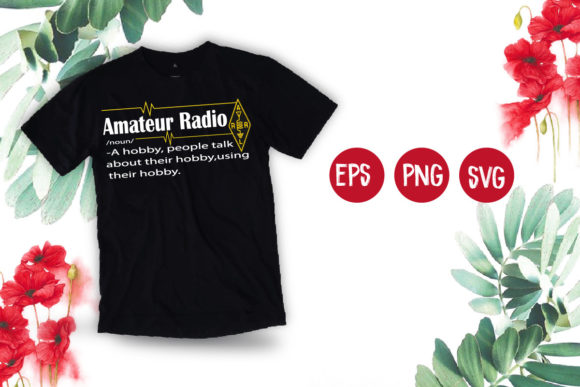
Funny Amateur Radio Svg Graphics for T-Shirt Designs
In the world of digital publishing, a single graphic asset can determine whether a reader clicks through or scrolls past. As a blog designer and publisher who has managed everything from affiliate sites to educational newsletters, I know that visual trust is just as important as written content. Recently, I evaluated a specific Funny Amateur Radio Svg design with the intention of integrating it into a real-world content workflow. This review focuses on how this graphic design asset performs not just as a print file, but as a tool for editorial quality, website presentation, and reader engagement.
The First Impression: Editorial Mood and Niche Fit
When I first opened the file, the immediate takeaway was its playful yet nostalgic energy. The design captures the essence of amateur radio culture without feeling overly technical or dry. It strikes a balance between modern design and retro charm, creating an editorial mood that feels approachable and community-focused. For a content creator targeting hobbyists, tech enthusiasts, or outdoor lifestyle audiences, this visual identity works exceptionally well.
The aesthetic leans heavily into a lifestyle-focused vibe. It suggests fun, conversation, and connection rather than rigid instruction. In terms of visual hierarchy, the artwork is bold enough to stand out against white backgrounds but clean enough to allow text to breathe. This makes it ideal for niches that need to feel authentic and human, such as a blog about ham radio history, a site selling related gear, or a newsletter dedicated to emergency communication protocols. It avoids looking like generic clip art; instead, it feels like a curated piece of creative design that adds personality to a page.
Integrating the Asset into a Real Publishing Workflow
I recently used these digital clip art files across several stages of my content production pipeline. The versatility of the format allowed me to repurpose the image efficiently, saving hours on design time while maintaining high standards. Here is how I applied the Funny Amateur Radio Svg in practical scenarios:
- Featured Images and Thumbnails: I placed the graphic over a gradient background to create eye-catching featured images for article headers. The distinct lines of the design ensured the image remained recognizable even when shrunk down for mobile feeds.
- Pinterest Pins and Social Media Graphics: These assets are perfect for driving traffic. By combining the SVG with strong typography, I created pins that stood out in crowded feeds. The playful nature of the design increased click-through potential compared to standard stock photos.
- Digital Guides and Lead Magnets: I incorporated the artwork into the cover design for a downloadable PDF guide on antenna building. The graphic added a professional touch that made the free resource look like a premium product.
- Newsletter Banners: For our weekly email digest, the image served as a header accent. It reinforced brand recognition immediately upon opening the email, signaling to subscribers exactly what kind of content to expect.
- Category Visuals and Media Kits: I used variations of the design for category thumbnails on the main site and included them in media kits sent to potential advertising partners. This consistency helped establish a cohesive brand identity.
The original description mentions these files can be used for t-shirts, book covers, cut machines, clothes printing, printable decoration, cards, invitation designs, and iron-on transfers. While those are valid use cases, for a digital publisher, the true value lies in how these same elements translate to screen-based experiences. Whether you are creating a Canva template for your team or designing a digital download for your store, the vector quality ensures crisp rendering at any size.
Boosting Content Performance and Reader Trust
Why does this specific design asset matter for performance? In online publishing, users scan pages quickly. A polished graphic like the Funny Amateur Radio Svg signals professionalism. When a visitor sees consistent, high-quality visuals, they subconsciously trust the information presented. This leads to longer session times and lower bounce rates.
The asset supports stronger visual hierarchy by acting as a natural focal point. On a page cluttered with text, the graphic breaks up the flow and guides the eye to key messages. This clarity improves readability and helps readers find the information they need faster. Furthermore, using a unique, thematic graphic differentiates your site from competitors who rely on generic imagery. It creates a memorable visual identity that encourages repeat visits.
Strategic Placement for Maximum Impact
Not every placement is equal. Based on my testing, the Funny Amateur Radio Svg excels in specific areas of a website layout:
- Hero Images: Use it prominently at the top of landing pages to set the tone immediately.
- Article Thumbnails: Ensure the central element of the design remains visible when cropped for grid views.
- Editorial Accents: Use smaller versions as bullet points or section dividers within long-form articles.
- Content Upgrades: Pair the graphic with exclusive checklists or worksheets to increase conversion rates.
- Social Media Previews: Optimize the aspect ratio for Facebook and LinkedIn shares to ensure the design looks great in preview cards.
Where to Exercise Caution
While versatile, no single graphic fits every context. I advise using the Funny Amateur Radio Svg carefully in situations where a serious, corporate tone is required. If you are writing about emergency response protocols in a strictly academic or government context, a playful design might undermine the gravity of the subject. Additionally, avoid placing the graphic on busy layouts or low-contrast backgrounds where the details might get lost.
On mobile devices, small thumbnails can sometimes obscure fine details. Always test how the design renders on various screen sizes. If the graphic becomes too pixelated or indistinct when scaled down, consider simplifying the composition or adding a solid color block behind it to improve visibility.
Practical Publisher Notes for Implementation
To get the most out of this commercial design, follow these technical best practices:
- Screen Testing: Preview the asset on both desktop and mobile screens before finalizing your layout. Check how it interacts with your existing color palette.
- Typography Pairing: Experiment with different font styles. Try pairing the graphic with a serif font for a classic editorial look, a sans-serif for a modern feel, or a script font for a personal touch. Test it alongside display fonts to see which creates the strongest contrast.
- Contrast and Readability: Ensure there is sufficient contrast between the graphic and the background. If necessary, add a subtle drop shadow or overlay to make the image pop.
- Web Performance: Review the file size. Even though it is a vector, converting it to optimized PNGs or WebP formats for web use is crucial for fast loading speeds. Compress images properly to maintain quality without sacrificing speed.
- Licensing Compliance: Before using this asset on monetized websites, affiliate pages, or paid content products, confirm the commercial license. Most marketplaces provide clear guidelines, but always double-check to avoid legal issues.
Ultimately, the goal of any content marketing strategy is to communicate effectively. The Funny Amateur Radio Svg offers a unique opportunity to inject personality and style into your digital publications. Whether you are an affiliate marketer looking to boost conversions, an educator creating engaging materials, or a small business owner building a brand, this graphic design asset provides the polish needed to compete in a crowded digital landscape.
By treating your visuals with the same care as your copy, you create a holistic experience that resonates with readers. This design asset is more than just a picture; it is a strategic tool for building authority, fostering community, and elevating the overall quality of your online presence.