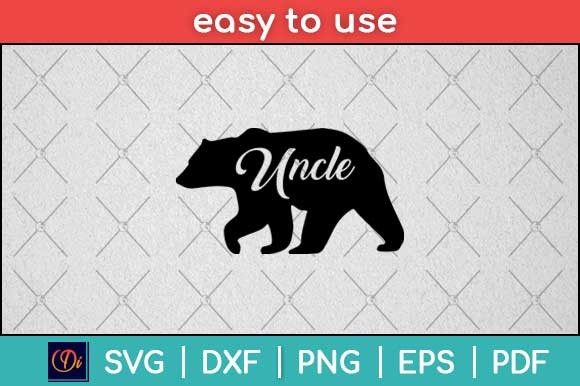
Uncle Bear Funny Fathers Day: A Designer's Real-World Review
As someone who has spent years evaluating machine embroidery design files for both personal hobbies and commercial ventures, I know that the difference between a good project and a great one often lies in the details. When I first encountered Uncle Bear Funny Fathers Day, my initial reaction wasn't just about the cute theme; it was about how this specific embroidery file translates from a digital preview to a tangible, stitched reality. This review isn't a sales pitch. It is a practical breakdown of how this design performs when placed on real fabric, under tension, and through the eyes of a customer.
The First Impression: Mood and Visual Personality
Uncle Bear Funny Fathers Day immediately establishes a warm, approachable mood. In the world of Graphics and Print Templates, there are thousands of generic dad jokes, but this design stands out because of its character-driven layout. The visual personality suggests a playful, slightly rustic aesthetic that fits perfectly with modern farmhouse trends or casual, family-oriented branding. For an Etsy seller or small shop product owner, this is crucial; the design needs to evoke an emotional connection before the buyer even sees the finished item.
The shape and theme work together to create a focal point that feels natural rather than forced. It doesn't scream for attention like some overly complex designs; instead, it invites the viewer in. When looking at the layout, the balance between the bear illustration and the text suggests a design that respects negative space. This is a critical factor for any embroidery designer considering a project. If a design is too crowded, it loses clarity during stitching. Here, the spacing allows the thread colors to breathe, which is essential for maintaining the integrity of the finished product.
Real-Life Application: From Digital File to Custom Apparel
To truly understand the value of Uncle Bear Funny Fathers Day, we have to move past the screen and imagine it in action. Let's say I am preparing a custom order for a local boutique client who specializes in handmade gifts. They need a unique item for their upcoming Father's Day sale. I decide to use this design on a heavy cotton canvas tote bag intended for a new uncle. The decision to use a tote bag is strategic; the flat surface provides an ideal testing ground for stitch density and alignment.
When applying Uncle Bear Funny Fathers Day to the tote, the design shines. The satin stitch areas likely provide a smooth, glossy finish that contrasts beautifully with the matte texture of the canvas. However, if I were to shift this to a sweatshirt embroidery project using a soft fleece, the dynamics change. The pile of the fabric might obscure finer details. This is where my experience comes into play: knowing that this design works best on stable fabrics like twill, denim, or tight-knit cotton. For a baby item like a onesie, the design would require a smaller hoop size and perhaps a lighter stabilizer to prevent puckering on the delicate material.
I also considered using this as a custom apparel piece for a small business merchandise line. Imagine a batch of embroidered patches featuring the Uncle Bear graphic attached to denim jackets. The distinct outline of the bear makes it an excellent candidate for an applique design approach, though the original file is likely a direct stitch pattern. The versatility here is high. It could easily transition from a kitchen towel to a holiday gift tag, making it a valuable asset for a craft business looking to diversify its inventory without buying entirely new assets every season.
Navigating Challenges: Where Caution is Required
No design is perfect for every scenario, and being honest about limitations is part of professional commercial embroidery. While Uncle Bear Funny Fathers Day is robust, there are specific situations where caution is necessary. One major concern is the use of this design on curved surfaces, such as caps or hats. Embroidering a flat design onto a curved brim can cause distortion if the stitch density is too high or if the machine lacks advanced curvature compensation. I would advise testing this on a scrap piece of hat fabric first to ensure the text remains legible and the bear's features don't warp.
Another area to watch is thin or stretchy fabric. If a crafter attempts to embroider this directly onto a lightweight polyester shirt without proper stabilization, the result could be a distorted mess. The design requires a firm base to hold the threads in place. Similarly, on dark fabric, the choice of thread colors becomes paramount. If the background is black and the design uses light yellows or blues, the contrast might be lost unless a high-density underlay or a specific backing method is used. This is a common pitfall for digital product sellers who rely on mockups that may not accurately reflect the lighting conditions of a dark garment.
Furthermore, while the design is generally clear, tiny lettering or intricate decorative accents can sometimes get lost in the stitching process. If the design includes very fine lines, they may fill in with thread, creating a solid blob rather than a sharp detail. For a handmade product meant to be sold at a premium price point, clarity is non-negotiable. I recommend inspecting the small details closely before committing to a large production run.
Design Notes for the Practical Maker
Before you download Uncle Bear Funny Fathers Day and start your next project, there are several technical steps you must take to ensure success. First and foremost, always test the design on scrap fabric. This simple step saves time, money, and frustration. You need to verify that the stitch density matches your machine's capabilities and that the hoop size accommodates the full design without cutting off edges.
Check the thread color contrast carefully. Look at the design in both color and black-and-white modes to see if the tonal values separate well. If you plan to sell these items as part of a boutique branding effort, consistency is key. Ensure that the embroidery project looks professional enough to command trust from buyers. A sloppy execution can ruin the perceived value of the entire brand.
Don't forget to confirm licensing terms. Many digital embroidery files come with restrictions on commercial use. Even if the file is labeled as a print cut file compatible with Cricut and Silhouette, you must verify if you are allowed to sell the finished physical goods. Using a design without the proper license can lead to legal issues for creative entrepreneurs. Also, consider the washing instructions. Products that require frequent washing, like tote bags or kitchen towels, need durable stitching. Ensure the design is anchored properly so it survives the laundry cycle without unraveling.
Final Thoughts on Value and Appeal
In conclusion, Uncle Bear Funny Fathers Day offers a strong foundation for a variety of embroidery projects. Its charm and versatility make it a standout choice for holiday embroidery collections and personalized gifts. For the maker who understands the nuances of fabric texture and stabilizer selection, this design can elevate a simple gift into a cherished keepsake. Whether you are creating a patch for a jacket or a pillow cover for a nursery, the design holds up well when executed with care.
It serves as a reminder that successful design assets are not just about pretty pictures; they are about functionality, durability, and the ability to connect with an audience. By approaching Uncle Bear Funny Fathers Day with a critical eye and a practical strategy, you can turn this digital file into a profitable, beautiful addition to your portfolio. Just remember to test, stabilize, and respect the limits of your materials, and you will find that this design delivers exactly what it promises: a touch of humor and heart for the special uncles in our lives.